
Hold onto your cafecito – Miami is about to become one of the busiest cities in the world as the 2026 FIFA World Cup brings millions of visitors, cash flow, and chaos to South Florida. Between packed stadiums, celebrity visitors, and millions of fans traveling through South Florida, the city is expected to experience a massive surge in short-term rentals – especially in Miami Beach, Brickell, Downtown, and Edgewater.
If you own property in Miami, you have probably already heard the chatter:
- “Rent it out during the World Cup – you will make a fortune.”
- “Prices will triple overnight.”
- “Everyone will be booking Airbnb.”
That part may be true. But here is the part most people do not hear until it is too late: When your Miami property becomes a high-demand short-term rental, it also becomes a higher-risk legal asset. And once you introduce higher income, more guests, and more liability, the question becomes critical: Should your property be held in your personal name, an LLC, or a trust for estate planning purposes?
Let’s break it down in a way that makes sense – without legal jargon or headaches.

1. The World Cup Effect: Why Miami Real Estate Just Became “High-Activity Property.”
During major global events like the World Cup, Miami real estate behaves differently:
- Higher nightly rental income
- Faster turnover of guests
- More wear-and-tear on properties
- Increased liability exposure (accidents, injuries, disputes, property damage)
This is especially true in areas like:
- Miami Beach
- Brickell
- Downtown Miami
- Wynwood
- Edgewater
From an estate planning perspective, this matters because the more active and profitable your property becomes, the more important it is to protect your investment.
2. A Simple Way to Think About Ownership Structures
Let’s keep this very simple and examine the 3 main ways people own real estate:
Personal Name Ownership:
Your real estate is owned in your name alone, and you are responsible for whatever may go wrong.
LLC (Limited Liability Company):
Having a 2 member LLC serving as owner of your real estate is similar to putting a legal shield around your property. The LLC has its own tax identification number.
Revocable Trust (a/k/a Living Trust):
Owning real estate in the name of your Revocable Trust can help your family avoid probate at your death, allowing the property to pass smoothly to the beneficiaries named in your Trust. During your lifetime, you typically serve as the Trustee, so you retain full control of the property, while the Trust simply holds title (the Trust serves as your “alter ego.”).
3. Owning Real Estate in Your Personal Name
Many people still own Miami property in their individual names because it is simple, it is familiar, it is all you know, and “nothing has ever gone wrong before.” That last sentence is usually where attorneys start paying attention.
What if a Guest Rents Out Your Property During World Cup Rental Season and That Guest:
- Slips and falls
- Causes damage to another unit (usually caused by a leak that floods a neighboring apartment)
- Hosts an unauthorized party
- Or gets injured in your property
You, personally, can be sued. Not your LLC. Not your trust. You.
Miami Example:
A Brickell condominium owner rented their unit during Art Basel (a much smaller event than the World Cup). A guest overfilled a bathtub, caused water damage to multiple floors, and triggered a six-figure insurance dispute. The owner learned the hard way that although insurance (homeowners’ insurance, condominium insurance, or rental property insurance) helps, if insurance does not cover the full amount of damages, you are now personally exposed to that lawsuit and responsible for the damages.
4. LLC Ownership – Owning Real Estate in the Name of a 2 Member LLC
A 2 member LLC is often the go-to structure for short-term rental property owners in Miami.
Why People Like LLCs:
- Separates your personal assets from property liability (any real estate property that is owned by the LLC is treated as a separate entity from your other assets)
- Cleaner structure for rental income
- Helpful for business expense tracking
This is a great option, but you should be aware of the downsides to owning real estate through an LLC. An LLC by itself does not function as a complete estate plan or address all of your planning needs. If you die and the LLC is not properly structured through an Operating Agreement:
- Your family may still need to go through the court-supervised probate administration process
- Ownership transfers can get messy
- Banks and platforms like Airbnb may freeze accounts
Miami example:
A South Beach investor owned three rental condos in three separate LLCs. When he passed away unexpectedly, his family discovered:
- Each LLC had different ownership percentages and outdated ownership percentages, leaving uncertainty about “how many LLC units” the decedent actually owned at the time of death.
- No Operating Agreement addressed his death or incapacity, so it was not immediately clear who had authority to manage the LLCs or how the membership interests were supposed to transfer to his family.
- Rental income was frozen during probate proceedings.
- Probate Court – because the deceased member’s interest had not been properly moved into an estate plan or Trust, the family had to go through probate court to establish control (because the LLC interests were still in the deceased individual’s name). During that process, rental income distributions were delayed or effectively frozen, creating financial stress despite the properties being fully occupied and generating revenue.
How This Situation Is Actually Prevented
This type of breakdown is not caused by LLCs themselves- it is caused by missing coordination between the LLCs and a proper estate plan. In other words, taking shortcuts. Remember that just registering your LLC online with Sunbiz.org and obtaining a Tax Identification number is not enough!!
In most cases, this chaos can be prevented with two essential tools:
A properly drafted Operating Agreement for each LLC, clearly addressing death, incapacity, and management succession so there is no ambiguity about who controls the company after the LLC members die. An Operating Agreement is a relatively simple legal contract that states how an LLC is owned, managed, and what happens if an owner dies, becomes incapacitated, or leaves the company.
An Assignment of LLC Interest to Trust, which ensures that ownership transfers automatically into a Revocable Trust upon death, allowing the successor trustee (that is listed in the Trust) – and not the probate court – to immediately manage and control of the LLC interests.
When these two documents work together, the result is very different:
- No court guessing who owns what
- No interruption in rental operations
- No frozen income streams
- No probate court supervising the transfer of business interests
Instead of a legal emergency, the transition becomes exactly what it should be: quiet, private, and seamless – even when the owner is no longer there to manage it.
5. Revocable Trust (a/k/a Living Trust): The “Probate Avoidance” Strategy
Now we get to the structure that most estate planners in Florida quietly prefer: a Revocable Trust. This is especially important in Miami-Dade, where probate can be slow, expensive, and emotionally draining for families.
What a Trust Actually Does (in Plain English):
Instead of your property going through a court-supervised probate process after you die:
- It is already owned by your Trust
- The person you listed as your successor Trustee, now steps up and manages the properties in your Trust
- The beneficiaries you listed in your Trust will receive the property in the Trust without probate court involvement
A Revocable Trust appears to be clean, modern asset planning. Which is it – for probate avoidance and ensuring a smooth transfer of assets at death. But you should be aware of the downsides to owning real estate through your Revocable Trust:
- Owning rental property in the name of your Revocable Trust does not give you asset protection.
- The Trust is not a separate legal entity and generally operates under your Social Security number, meaning there is no meaningful shield from creditors or lawsuits.
- It does not provide liability protection during your lifetime because you are still treated as the owner for legal and tax purposes.
6. Russian-Speaking Community in South Florida: A Real-World Planning Gap
Many families in the South Florida Russian-speaking community have a common pattern:
- Property purchased in their personal name years ago
- Children or relatives living outside of the United States
- No estate plan in place (no Will, no Trust, no LLCs)
This creates a serious issue: when property is owned personally and the owner dies, Florida probate law controls what happens to the property, not the family.
Miami Example:
A Sunny Isles Beach condo owner passed away unexpectedly while the property was being used as a seasonal rental. The heirs (closest living relatives of the deceased person) were non-U.S. persons (generally defined as foreign individuals or entities who are not U.S. citizens or U.S. residents). The family lived in Russia and had no experience with Florida probate.
Because the property was titled in the individual’s name, Florida probate was required before anyone could access the property, legally control it, transfer the property, or sell the property. During that process, the only people who made money were the attorneys involved and the tax collector.
To make matters more complex, any future sale of the property would trigger FIRPTA (Foreign Investment in Real Property Tax Act) with holding, which in 2026 generally requires the title insurance company to withhold 15% of the gross sales price when the seller is a foreign person. That means that at the closing, the seller automatically gets an additional 15% in taxes taken out of their sale proceeds.
What should have been a straightforward inheritance instead became a layered legal process involving probate delays, international heirs having to travel to Florida from Russia (not an easy thing to do during sanctions), and huge U.S. tax withholdings at closing.
The Solution: Natasha Chipiga, based in Hollywood, Florida, is an American Attorney who focuses on helping Russian-speaking clients through the probate process. Natasha is able to work with Russian-speaking individuals abroad who had family members pass away in Florida.
Юридический офис Наташа Чипига предлагает юридические услуги в области судебных процедурах наследования. Наташа Чипига, соучредитель и партнер юридической фирмы OC Estate and Elder Law, расположенной в Голливуде, штат Флорида, и представляет интересы клиентов по всей Флориде в вопросах наследственного права. Наташа может работать с русскоязычными людьми за границей, у которых в штате Флорида умерли члены семьи.
7. So, What Should You Do Before the World Cup Rush?
If you own Miami real estate, here is a simple checklist:
Estate Planning Checklist:
- Do you own property in your personal name?
- Do you have a revocable trust?
- Is your LLC properly documented (by creating an Operating Agreement)?
- Do you have a plan for rental income if something happens to you?
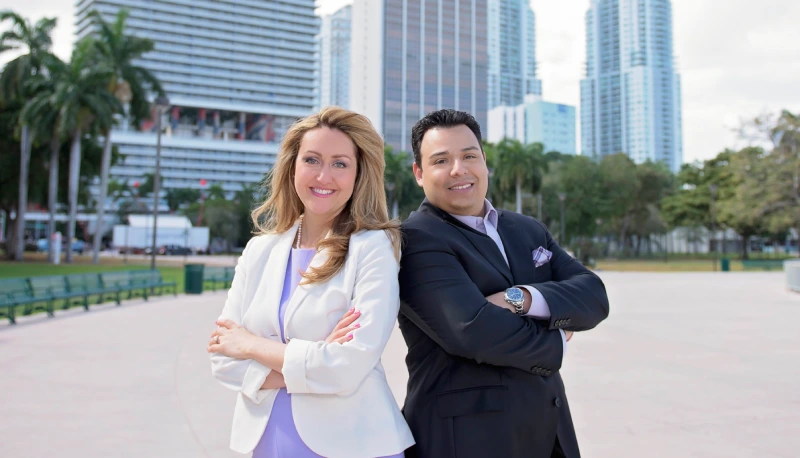
If these questions scare you, you are not alone – but it’s worth addressing before the rental surge begins. Talk to a licensed attorney who practices asset protection and knows how to do it right. Our knowledgeable estate attorneys, Natasha Chipiga and Fernando Orrego, speak English, Spanish, and Russian. Contact OC Estate and Elder Law at (954) 251-0332 or info@ocestatelawyers.com to get started. Our law firm conducts consultations over the phone or Zoom and facilitates concierge signing of documents right from your home.